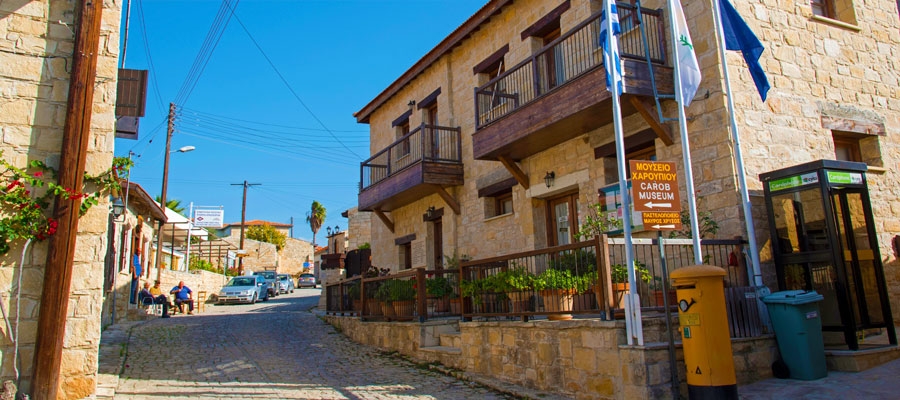
Author: Super User
f
MIA AHONEN
RAFAL BOGUTA
CLAUDIA BOHM
STEFAN BOLIN
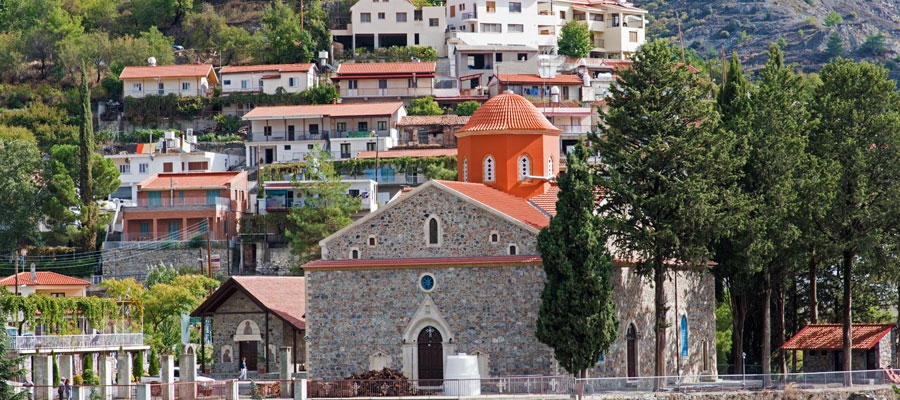
Agros village – Lemesos (Limassol) District
Located in the Troodos mountain range, in Pitsilia region of Lemesos (Limassol) district, Agros sits at an altitude of 1.100 metres.
The layout of this picturesque village resembles that of a theatre, embraced by the surrounding mountains, Agros is nestled in stunning environs with panoramic forest views, making it ideal for agrotourism. It has maintained its traditional character and customs and grows a wide variety of fruits and vegetables.
The village is famous for its cultivation of roses, along with its production of cured meats (sausages, ‘Lountza’ and ‘Hiromeri’), homemade marmalades and sweets. Visitors can see these traditional practises at the local workshops where rose oil distillation, sweet making and meat processing take place.
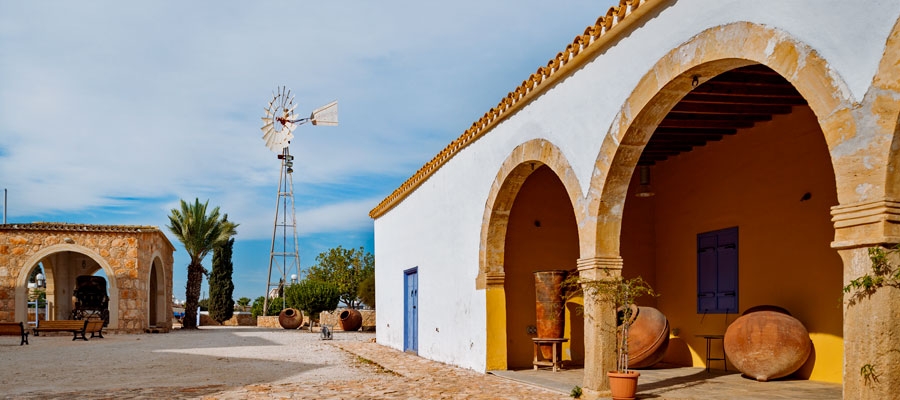
Avgorou village (Ammochostos district)
Located in the Ammochostos (Famagusta) district, the village of Avgorou is one of the ‘red soil villages’ (Kokkinochoria), which are famous for their agricultural produce. As a farming village, it grows delicious potatoes, flavoursome vegetables and juicy citrus fruit, thanks to its mineral-rich, distinctive red earth.
The village has an ancient past and was named after the baths of King Evagoras – the king of the Ancient city-state of Salamis – with finds that date back to the Late Bronze Age III. As such, it has a number of interesting, old buildings and historic churches, including the church of Apostolos Peter and Paul, and Agios Kendeas Monastery.
Two important religious festivals are held to honour the saints annually on June 29 (Feast of Apostolos Peter and Paul), and on October 06 (Feast of Agios Kendeas Monastery). Visitors are welcome to join in the traditional festivities, which include stalls, entertainment and local food and drink.
Other interesting features of the village are its Ethnographic Museum, which depicts the daily life of villagers in the past, and its annual Potato Festival in July, which celebrates the bumper crop of the village’s most famous agricultural produce.
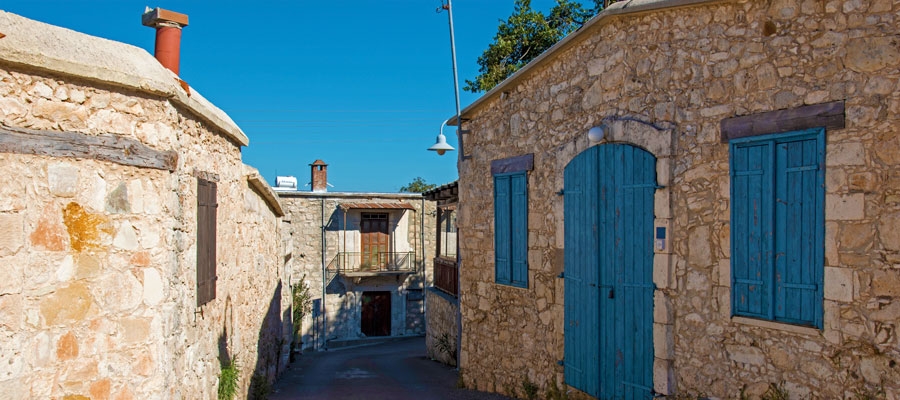
Drouseia village
Located in the Pafos (Paphos) region, the pretty little village of Drouseia sits at an altitude of 630 metres in the mountainous area of Laona, and is thus named for the cool breeze that carries from the Akamas Peninsula, coming from the Greek word for ‘cool’ (‘drosera’).
Just 30 km away from Pafos and 10 km away from Polis, the village can be reached following either the B7 route and then the E711, or taking the E709, and then the F708.
The traditional character of the village is maintained through its stone houses with carved doors and windows, and in its narrow, winding streets that offer stunning views of hillside and coast. The tranquil and traditional environment makes Drouseia perfect for agrotourism, and accommodation is available in many small hotels, as well as the stone houses themselves.
The taverns of the village are also known locally for their excellent Cypriot cuisine, and the warm family welcome they give.
Aside from its pretty views, the village is home to the religiously significant ancient monastery of Agios Georgios Nikoxilitis, which was built in the 15th century, and was rebuilt in 1923 after it was destroyed by a fire.
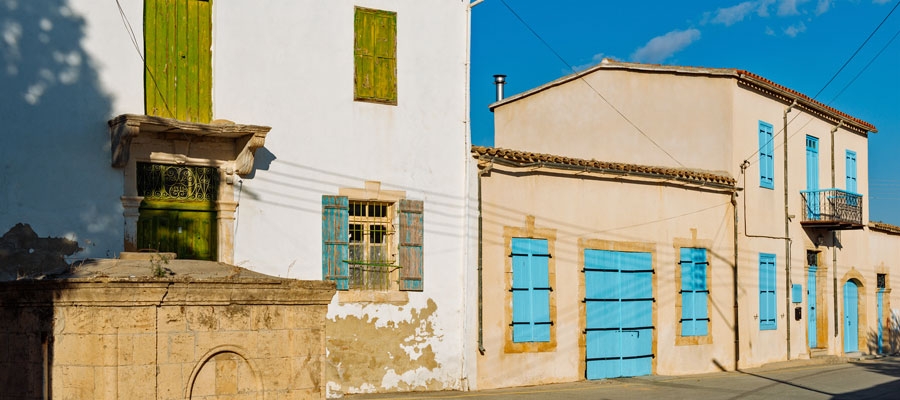
Athienou village (Larnaka (Larnaca) district)
Located in the Larnaka (Larnaca) region, the village of Athienou is a large community found midway between the city of Lefkosia (Nicosia) (38 km) and the town of Larnaka (33 km), and can be reached by following either the A3 and the B17 route, or the A2 and B2 route.
Athienou has been inhabited since the Neolithic period, and is the continuation of the ancient city-kingdom of Golgoi.
The village is famous for its delicious traditional bread – known locally as ‘Athienitiko’ – and its pastries, as well as its dairy products, which visitors can watch being made.
Other interesting sights include the archaeological site of Athienou-Malloura, the Kallinikeio Municipal Museum (which also exhibits finds from the Malloura site), and several old, restored buildings – including a traditional flour mill.
Athienou’s churches of Panagia Chryseleoussa, Agios Fokas and Agios Georgios are particularly notable for their historically significant icons and frescoes.