
Diving Responsibly – Guidelines

In the interests of health, safety and environmental care, a number of guidelines are in place that you should familiarise with before embarking on a recreational dive.

Before the dive, please ensure that you follow and apply the points below:

  • Ensure that you are fit to dive. Both your body and mind must be 100% prepared.
  • Follow the instructions of the dive leader. Listen carefully to the pre-dive briefing and inform yourself about any navigation and emergency protocols, in the event that you are separated from the group.
  • Ensure that you haven’t forgotten any of your equipment at home/your hotel/the dive centre.
  • Check that your equipment has no malfunctions.
  • Perform a mutual buddy check.
  • Drink plenty of fluids. Dehydration can cause a multitude of problems. Avoid alcohol, excessive smoking and the use of drugs.
  • Arrange for travel and dive insurance.

During the dive, please ensure that you follow and apply the points below:

  • Don’t hesitate to cancel the dive if you or your buddy are not feeling well.
  • Never dive alone.
  • Equalize your ears frequently; start even before getting into the water.
  • Never hold your breath. Breathe normally at all times.
  • Stay in visual contact with the dive guide and your buddy throughout the dive.
  • Keep an eye on your air gauge. Indicate to the dive leader when your tank is half empty.
  • Don’t dive too deep; stay within the limits of your training and your dive computer (if you don’t have one, follow the dive leader on all occasions).
  • Don’t panic. Slow down and relax. This will save your energy and your air.
  • Protect the environment. Never litter and never disturb/harm/kill marine life. Marine life is fragile, so be aware of your equipment/arms/legs dangling and pay attention to fin kicks.
  • Control your buoyancy. Decent and ascent slowly. Use your dive computer or follow the dive leader.
  • Enjoy your dive. If you are not enjoying it for any reason, consider terminating the dive.

After the dive, please ensure that you follow and apply the points below:

  • Take good care of your gear. Clean/rinse it with fresh water.

Keep your gear safe and tidy and in one place away from direct sunlight.

  • An after-dive briefing is good practice. Discuss what went well and what went wrong. Find out how you can improve next time.
  • Don’t fly for at least 24 hours after the dive.
  • If you are feeling unwell, don’t keep it to yourself. You may just be tired, but you might also need medical attention.
Diving Safety – Cyprus Decompression Chambers

Welcome to the Cyprus Deputy’s Ministry of Tourism dedicated section on diving and safety. Cyprus, with its stunning underwater landscapes and vibrant marine life, is a premier destination for divers. Among its many offerings, the island is home to specialized decompression clinics, ensuring that divers receive top-notch medical attention in the rare event of an accident.

Diving can be an exhilarating experience, but safety is paramount. In the unlikely event of an emergency, divers should remember to stay calm, ascend slowly to avoid decompression sickness, and seek immediate assistance from the nearest dive center or medical facility. Cyprus’s decompression clinics are equipped with state-of-the-art technology and staffed by experienced professionals, ready to provide the care needed to ensure a safe recovery.

Explore the depths of Cyprus with peace of mind, knowing that your safety is our priority.

Paphos General Hospital Hyberbaric Clinic

https://shso.org.cy/clinic/ypervariki-oxygonotherapeia/

Information Tel.: +357 26803114

Appointments

  • Monday – Friday +357 26803486
  • Secretariat telephones: +357 26 803113 / +357 26 803173

https://maps.app.goo.gl/t5wmALWMvbaTLxZbA

Ammochostos General Hospital Hyberbaric Clinic

https://shso.org.cy/clinic/ypervariko/

Information Tel.: +357 23200000

Appointments: +357 23200085

https://g.co/kgs/HSza29p

General Emergency Line in Cyprus 112

Τραπεζοειδής Βράχος (Table Top)

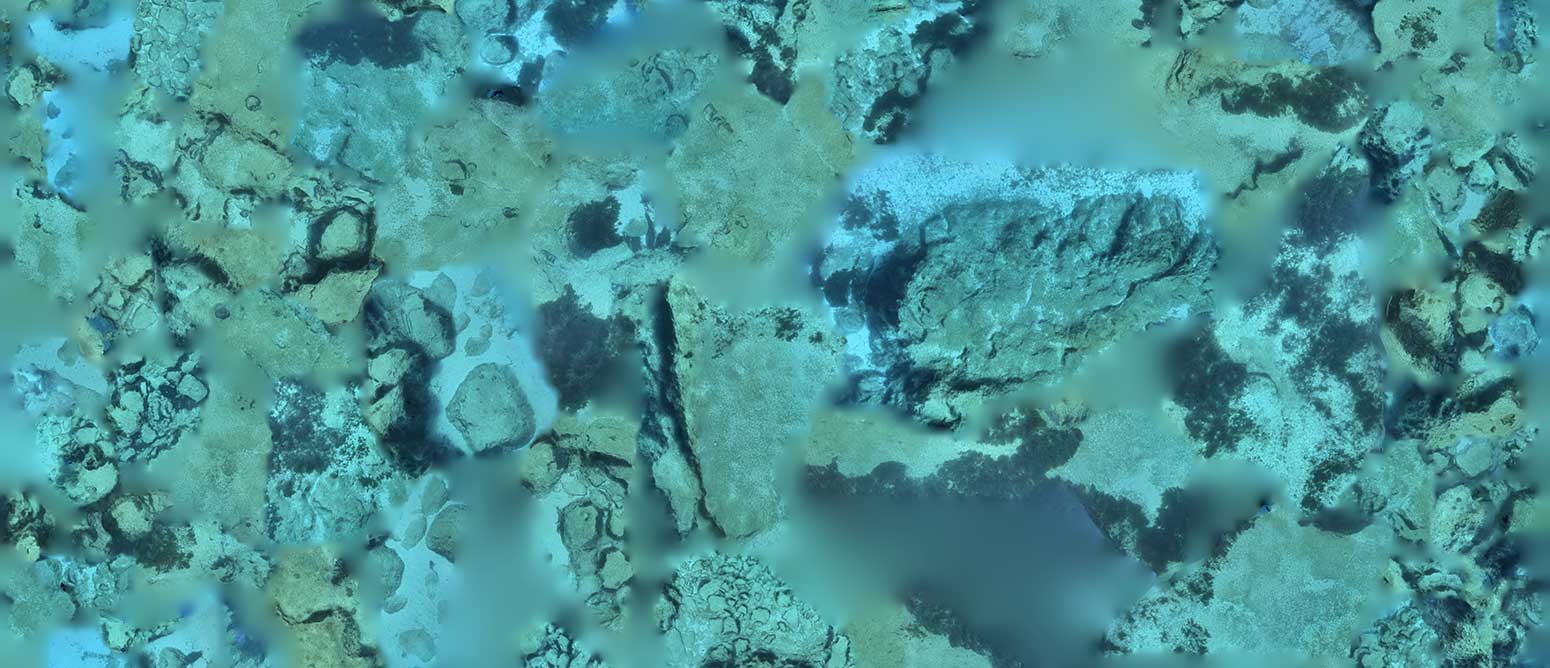
Το Table Top αποτελεί μέρος του δικτύου καταδυτικών σημείων του Κάβο Γκρέκο. Χαρακτηρίζεται από εντυπωσιακούς φυσικούς βραχώδεις σχηματισμούς, οι οποίοι περιβάλλονται από λιβάδια του θαλάσσιου φυτού Posidonia oceanica. Στα μικρά υποθαλάσσια κοιλώματα, οι σπόγγοι δημιουργούν μια εντυπωσιακή ποικιλία χρωμάτων, ενώ συναντώνται επίσης ανεμώνες, κοραλλιγενή φύκη και γυμνοβράγχια. Το καταδυτικό σημείο βρίσκεται σε βάθος περίπου 20–25 μέτρων. Οι βράχοι σφύζουν από θαλάσσια ζωή, όπως πυροσκώληκες, χταπόδια, σμέρνες και ροφοί.

Στην άκρη των βραχωδών σχηματισμών εκτείνονται λιβάδια Posidonia oceanica, όπου φιλοξενείται πλήθος ψαριών και γαστερόποδων, τα οποία προτιμούν να κρύβονται ανάμεσα στα φύλλα του θαλάσσιου φυτού.

Ενδιαφέρον στοιχείο: Συνιστάται η πραγματοποίηση της κατάδυσης με σκάφος και όχι από την ακτή, ώστε να αποφεύγεται ο αποπροσανατολισμός και ο κίνδυνος να χαθεί το ακριβές σημείο της κατάδυσης.

Τοποθεσία: Κάβο Γκρέκο – Αγία Νάπα, Αμμόχωστος
Γεωγραφικές συντεταγμένες: 34°58’25.74″ Β, 34°5’0.78″ Α
Τύπος καταδυτικού σημείου: Βράχοι και λιβάδια θαλάσσιας βλάστησης
Βάθος: 25 μέτρα
Ορατότητα: 20+ μέτρα υπό καλές συνθήκες
Πρόσβαση: Με σκάφος
Απαιτούμενη πιστοποίηση: Προχωρημένου Επιπέδου Ανοιχτής Θάλασσας / Κατάδυσης από Σκάφος (Advanced Open Water / Boat Diver)
Κατηγορία κατάδυσης: Κατάδυση αναψυχής
Χαρακτηριστικά: Εντυπωσιακή μορφολογία των βράχων, που σχηματίζει μικρά κοιλώματα καλυμμένα με σπόγγους, καθώς και έναν επίπεδο βράχο σε σχήμα «τραπεζιού».