Pitsilia Wine Route

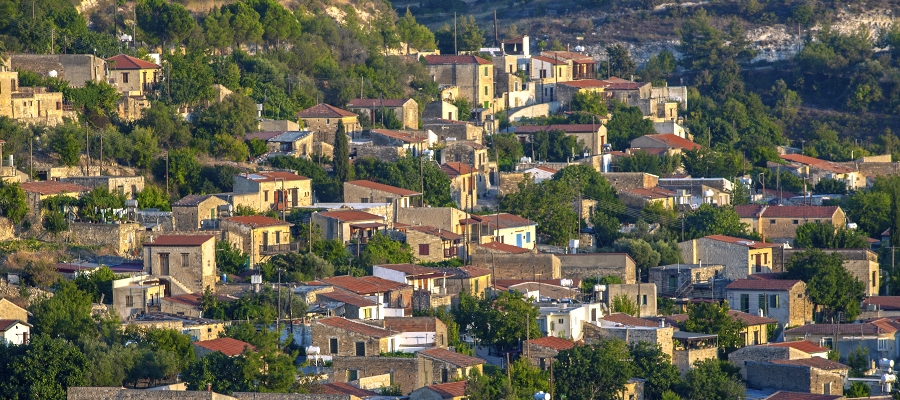
In a region where pines and vines grow freely into the mountainsides, neat villages exude rural charm and produce a range of fine wines that are yours to discover and savour.

A cluster of 11 villages and two of the most well-known wineries (in Pelendri) are included in the ‘Nom d’Origine’ Pitsilia – an area that spreads around the mountain peaks of Madari, Papoutsa, and the north-western part of Machairas. Here, the altitude secures a more slow and effortless grape maturity, whilst the arid and sloping earth forces the vines to huddle together and produce richer wines.

Classic local grape varieties continue to have a dominant presence amongst the vineyards of Pitsilia, with smatterings of the rare and ancient red variety of Maratheftiko. The grapes grown at these highest points are taken to two local winemakers for the production of excellent vintages.

This flourishing route passes through: Lemesos (Limassol), Trimiklini, Pelendri, Potamitissa, Dymes, Kyperounta, Chandria, Polystypos, Alona, Agros, Agios Ioannis and Agios Theodoros.


Commandaria Wine Route (Rural)

Take a trip back in time and discover the secrets of the island’s most ancient and famous wine – the sweet dessert wine of Commandaria – that has been praised and world-renowned for centuries.

The route through 14 Commandaria villages goes back to 1192 AD when the knights of St. John were perfecting the production of the world’s first named wine. The sweet wine took its identity from the place it was mainly produced –  ‘La Grande Commanderie’  – which is the area now known as Kolossi. So famed was Commandaria that it even won in the first recorded wine tasting competition  – the ‘Battle of the Wines’ – which took place in the 13th century, and was held by the French king Philip Augustus.

Indigenous Mavro (red) and Xynisteri (white) grapes are picked late in the season and dried in the sun to intensify their natural sweet flavours, giving the drink its distinctive taste. The dried grapes are then pressed, with the run-off collected and fermented in tanks or huge earthenware jars – much like those used in bygone times.

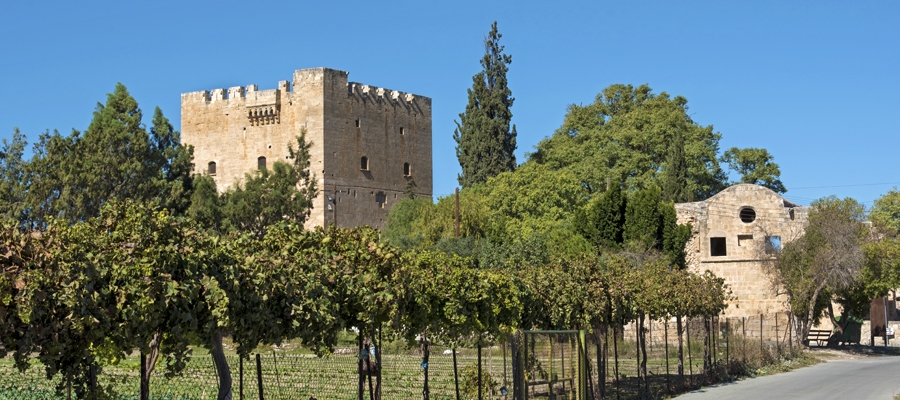
There are four wineries on this route, and a visit to the region is not complete without stopping by the refurbished wine press of Laneia, which has been maintained throughout the centuries, and serves as a reminder of the land’s glorious winemaking past. A further popular site is also the Medieval Castle of Kolossi – or ‘La Grande Commanderie’ as it was once known.

The villages themselves can all be found at an altitude of 500 to 900 metres. Their vines share the landscape with thick, bushy wild growth and sparse woods, whilst the rich flora and fauna are quite impressive – as are the historic and archaeological monuments of the vicinity. The area is also home to the Kouris Dam, the biggest in Cyprus, and an important wetland.

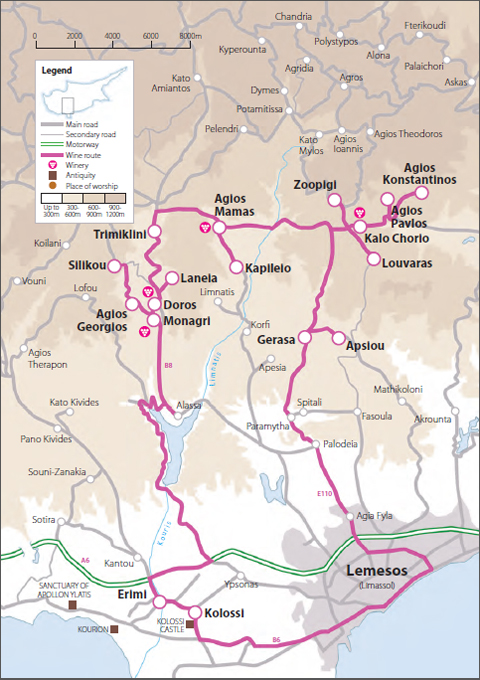
This historic route passes through: Lemesos (Limassol), Kolossi, Erimi, Monagri, Agios Georgios, Silikou, Doros, Laneia, Trimilkini, Agios Mamas, Kapileio, Zoopigi, Kalo Chorio, Agios Pavlos, Agios Konstantinos, Louvaras, Gerasa and Apsiou.

Krasochoria of Lemesos (Limassol) Wine Route – Rural

The Lemesos (Limassol) winemaking villages are renowned for their deep-rooted history of viticulture, as well as their excellent local wines and the stunning scenery of the area that produces them.

Located on the southern slopes of the Troodos mountain range, nowhere else in Cyprus can such a great presence of wineries be found! Collectively, the villages are known as ‘Krasochoria’, which is comprised of the two Greek words for ‘wine’ and ‘villages’ – a name that tells the story of its rich winemaking history in itself.

The route is outstanding; a dry climate combined with a unique geology results in first-rate wines, made mostly from the local grape varieties Xynisteri (white) and Mavro (red), as well as some imported varieties, including Cabernet Sauvignon, Mataro, Grenache and Syrah among a total of 23 different varieties.

A total of 20 charming, unspoilt villages comprise this route with 16 wineries between them. The villages are well worth visiting, not only for their wineries, but also their traditional architecture, cobblestoned narrow passages and delightful surroundings. They are also home to some of the best-known tavernas on the island.

This scenic route passes through: Lemesos, Kolossi, Erimi (Cyprus Wine Museum), Kantou, Souni-Zanakia, Pano Kivides, Agios Amvrosios, Lofou, Vouni, Koilani, Pera Pedi, Mandria, Kato Platres, Omodos, Vasa, Mallia, Arsos, Pachna, Anogyra and Avdimou.

Diarizos Valley Wine Route (Rural)

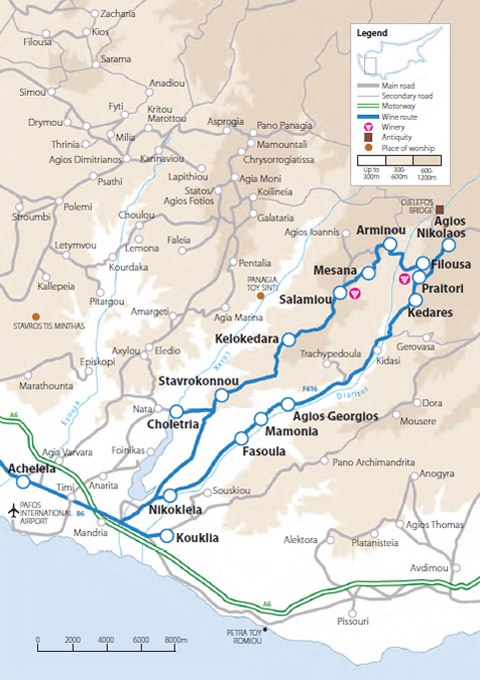
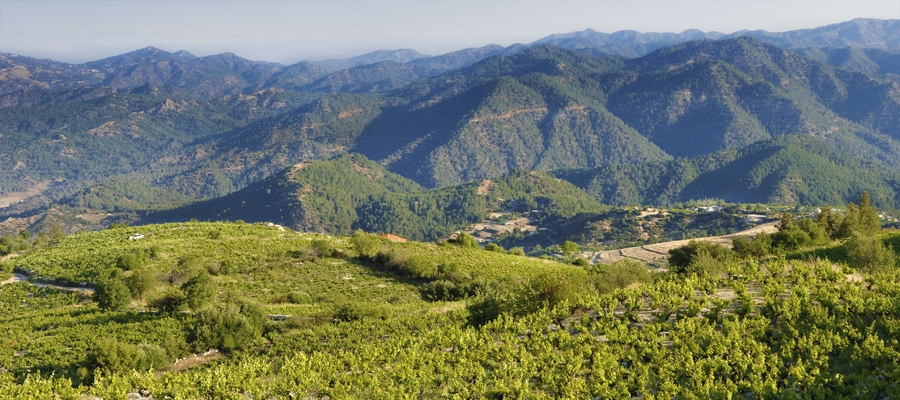
Take a fascinating journey along the Diarizos River, through beautifully unspoiled green landscapes dotted with picturesque vineyards, where you will discover the lesser-known wine-producing region of the Diarizos Valley, located east of Pafos (Paphos).

Unassuming in status, but breathtakingly lush, the route passes 14 hilly villages, with an opportunity to visit just two – yet significant – wineries that are placing the area firmly on the island’s wine-producing map.

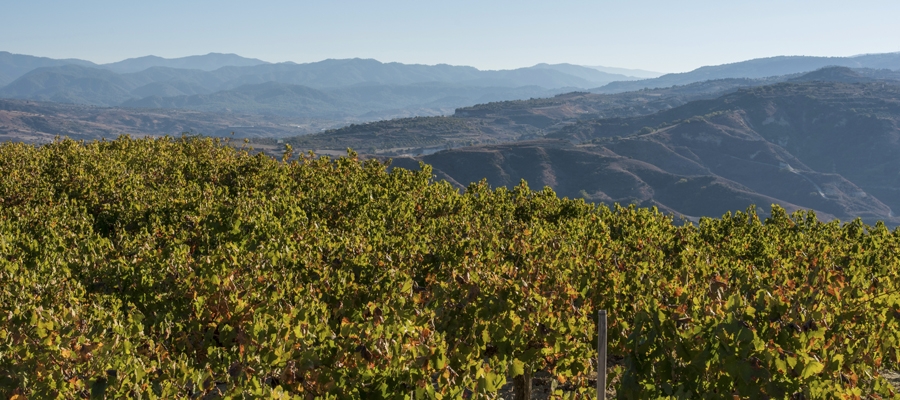
Situated at a lower altitude than the other main winegrowing areas, the wines produced in the area are remarkable. Climbing upwards, you will come across 18 different types of vines, with the predominant being that of the local Mavro (red) grape variety. Its tranquil scenery and interesting flora and fauna are further enhanced by the genuine hospitality of the local people, and the pleasurable delights of its expanding wine trade.

This verdant route passes through: Pafos, Acheleia, Kouklia, Nikokleia, Choletria, Stavrokonnou, Kelokedara, Salamiou, Mesana, Arminou, Filousa, Agios Nikolaos, Praitori, Kedares, Agios Georgios, Mamonia and Fasoula.

Vouni Panagias – Ambelitis Wine Route (Rural)

Embark upon a panoramic excursion into a glorious inland landscape on the Vouni Panagias – Ambelitis wine route, accompanied by the delights of the locally produced wines.

In the western part of the island, east of the Pafos (Paphos) mountainous area, the route unfolds at an altitude of 800 metres to offer an unparalleled wine experience. Along the way, visitors will delight in also discovering fragrant pine forests, unique flora and a variety of mammals, amphibians, reptiles and birds.

The 10 wineries of the route are diverse and produce white wines of particular fineness in aroma and lightness of body, thanks to the local Xynisteri (white) grape variety that predominantly grows here. Hints of green apple, peach and apricot characterise the white wines of the area, whilst the ancient – and rare – red Maratheftiko grapes are enriched by red fruit, violets and roses.

You will also discover 27 varieties of grape vine, of which there is an impressive showing of Carignan Noir and Cabernet Sauvignon. The villages on this route also produce some of the best wines of the indigenous Mavro (red) variety, thanks to the relatively high altitude and a mild climate, which benefit the vines and combine to produce pleasant dark and rose wines.

This picturesque route passes offers the option of two alternative ending points and passes through: Pafos (Paphos), Mesogi, Tsada, Stroumbi, Polemi, Psathi, Kannaviou, Asprogia, Pano Panagia, Chrysorrogiatissa, Agia Moni, Statos-Agios Fotios, Koilineia, Galataria, Pentalia, Amargeti, Eledio, Agia Varvara and Acheleia or Choulou, Lemona, Kourdaka, Letymvou and Kallepeia.

Laona – Akamas Wine Route (Akamas region)

Travel through an evocative region of rugged coastlines and charming little villages, abundant with culture and lush vines and possessing a unique character that is both rustic and contemporary.

Situated in the north-western shores of Cyprus, quaint villages and wineries invite you to visit their windswept vineyards, where you will discover the indigenous Xynisteri (white) grape variety that grows in a climate tempered by the sea breeze.

The wines produced here are cool yet solid, with a fine aroma and among the best white wines produced on the island. When it comes to red wine, the region also produces some of the best, thanks to the rare and ancient grape variety of Maratheftiko.

Aside from a visit to four wineries, the area offers a host of traditional tavernas, elevated views, intense natural beauty and the opportunity to visit the stunning Akamas Peninsula.

This rugged route passes through: Pafos (Paphos), Mesogi, Tsada, Stroumbi, Kathikas, Akourdaleia, Pano Arodes, Kato Arodes, Ineia, Drouseia, Polis and Pegeia.

Cyprus – Venice Cultural Route (Cultural Routes)

The Evocative Remnants of the Venetians in Cyprus

Immerse yourself on a historical journey that uncovers the strong ties, cultural influence and special relationship of Cyprus and Venice… one that is ongoing to this day.

Through various routes on the island, you will delight in discovering architecture, churches, monuments, museums and historical sites that tell the story of the Venetians in Cyprus throughout the Middle Ages to the Renaissance, beginning in the Byzantine period, when the Emperor Manuel Comnenus gave the Venetians the right to trade and settle on the island in 1147.

The conquest of the island by Richard the Lionheart and its transformation into a state ruled by the Frankish dynasty of Lusignan saw the properties of the Venetians confiscated by the Crown in the years 1191-1192, with tensions between the Commune of Venice and the Kingdom of Cyprus lasting until 1302.

With the restoration of diplomatic relations in 1302, a period of progressive diffusion of the Italian influence in the Frankish kingdom emerged with the Cornaro family becoming one of the main supporters of the Lusignan dynasty.

The sudden death of James II opened the way to the accession to the throne by Catherine Cornaro in 1474 and the beginning of the direct domination of Venice with Cyprus becoming a province of the Venetian maritime empire, administered directly from the mainland, and the period between 1474-1570 is undoubtedly the period where the links between Venice and Cyprus are the most dense.

The formal integration of Cyprus into the Dominio da Mar in 1489 enhanced the penetration of Italian culture in the island through literary, philosophical and aesthetic values, and churches were decorated by painters drawing their inspiration from Italy.

The Ottoman conquest of the summer of 1570 put an end to the Venetian domination of Cyprus and detached the island from the Italian environment, whilst trade relations between Cyprus and Venice continued until the 18th century.

Through the Cyprus – Venice routes, there are a myriad of opportunities to visit interesting sites across the island. To access the full brochure detailing the island’s Venetian history and connections, as well as all the relevant sites in each region, click here.

Copper Cultural Route (Rural)

Cyprus Copper Itinerary – A tour Through the Heart of Cyprus

Uncover the island’s rich and significant historical ties with copper on a self-drive route that will scenically take you on a journey to the various copper mines and associated sites of the island. Along the way, you will discover a fascinating account of how Cyprus was the largest producer and exporter of the metal to the ancient world for many centuries, and its role in shaping the island’s history.

Pure copper – or its alloys – was a basic material needed for the development of large civilisations around the island, and Cyprus’ copper contributed to the technological progress of the entire Mediterranean world and beyond.

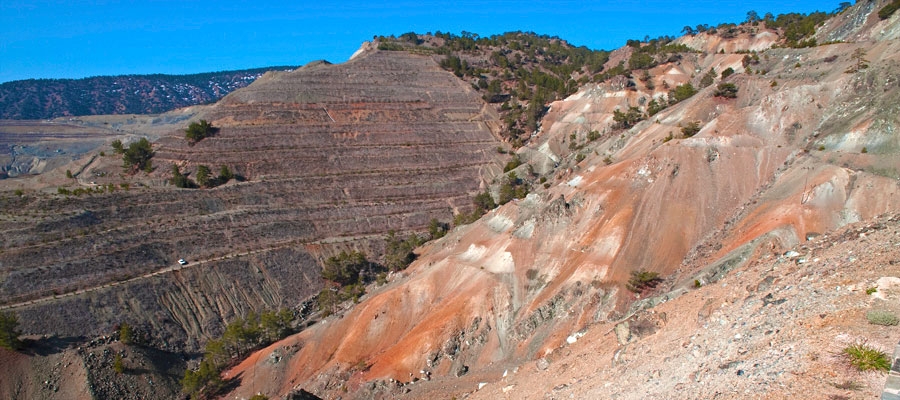
The drive starts from either Lemesos (Limassol) or Larnaka (Larnaca) towards the village of Sia (Sha), where just a few kilometres outside of the village you can admire the bright yellow and brown gossans (iron cap) that are typical of areas where there is copper mineralisation. Two open cast copper mines lie to the left – where the rock formations can be studied on a stroll of the site.

The next stop is the Mathiatis South Copper Mine, preceded by fragrant pine trees, which give way to the bright colours of the gossans that will guide you to the lake of the copper mine. A further drive in the Agia Varvara direction takes you up the road, where there is partial view of the North Mathiatis Open Cast Copper Mine.

From there the journey continues further north towards Agia Varvara village, where a turning near the olive oil factory will lead you onwards to a small valley where the Almyras Copper Mine and its workshops are located.

By continuing your drive through the villages of Kotsiatis, Marki and Tseri, the next site of interest is at Katydata village for a visit to the insightful Museum of Mining Heritage*.

The Skouriotissa Copper Mine and abandoned village are only a five-minute drive from Katydata. To the southwest of the copper mine is the UNFICYP San Martin camp, where you can visit the chapel of Panagia Skouriotissa: ‘Our Lady of the Skouriotissa Copper Mine’, which dates back to around 16th century, and houses some interesting icons. Northwest you will encounter abandoned houses that were built by the mining company CMC, and were used by the miners until 1974. A newly established monastery is situated a few hundred metres from some of the abandoned houses, and is also an interesting sight.

The Cyprus Copper route cannot fail to conjure to mind the rich and vivid past of ancient kingdoms, and the major part that copper played in their development, making it both an interesting and informative day out.

To access the full brochure detailing the island’s copper history and the route in full, click here.

*Visits to the museum require an appointment at least one day in advance, which can be made by contacting Mr Andreas on: +357 99 348 013.

Western Cultural Route – Rural

Discover the western region of the island and the roads less travelled, where hidden natural treasures and unexpected cultural discoveries unravel to paint a picture of an area that is both breathtaking and historically rich.

A drive towards the small town of Polis Chrysochous will instantly transport you to a peaceful oasis of seaside charm and beautiful scenery. Just a stone’s throw away is the traditional fishing village of Latchi, famous for its fresh fish that travels from the fisherman’s net, straight into the kitchens of the waterfront taverns, where visitors and locals alike enjoy it in a traditional ‘meze’ meal.

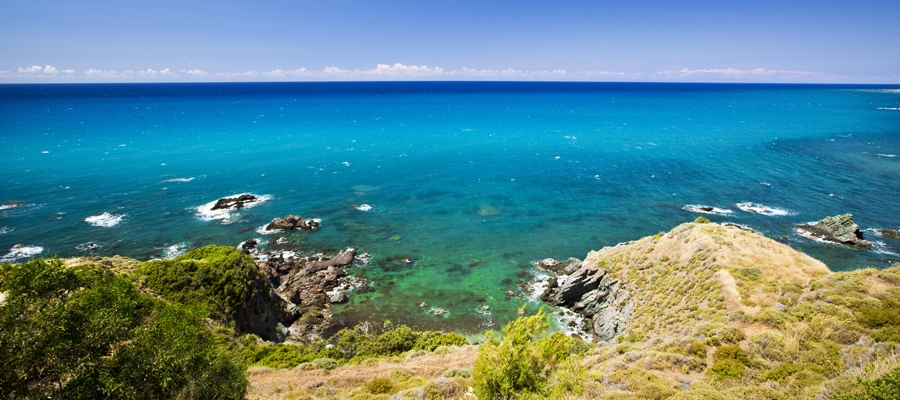
A boat trip from Latchi will take you into the heart of rocky coves, and you will not be able to resist plunging into the cooling turquoise waters for a dip, whilst at the nearby Baths of Aphrodite, legend tells that the Ancient Greek Goddess of Love and Beauty used to do the same, many centuries ago. Her grotto is surrounded by an idyllic, lush landscape and walking trail dotted with fragrant flowers and herbs, and it is here that she met her lover, Adonis.

As you move higher inland, you will discover a winding labyrinth of villages dotted across the Laona Plateau, including Kathikas, Kritou Terra and Arodes. Thereafter, the sprawling, untamed natural beauty of the Akamas National Forest Park stretches all the way to the serene area of Pomos. There, the stunning Avakas Gorge leaves visitors in awe as it etches its way through the rugged countryside. The natural blessings of the area continue still with untouched beaches, whose pristine sands are secluded and far from the noise and the crowds.

As sunset fades to welcome the stars, a drive out towards Pomos in the evening reveals panoramic views and the sight of endless twinkling village lights. A selection of coastal establishments offer drinking with unparalleled views as the perfect way to end this romantic route.

Eastern Cultural Route (Rural)

Take a journey through the picturesque rural areas of the eastern part of the island, where traditional charm has been retained – and continues to defy the hands of time.

The route begins in the Ammochostos (Famagusta) area to visit the farming villages that are collectively known as ‘Kokkinochoria’. Comprised of the two Greek words for ‘red’ and ‘villages’, their name perfectly reveals that it is here that the abundance of the island’s potatoes, strawberries and watermelons are grown, in mineral-rich red soil that gives them a deliciously distinctive taste.

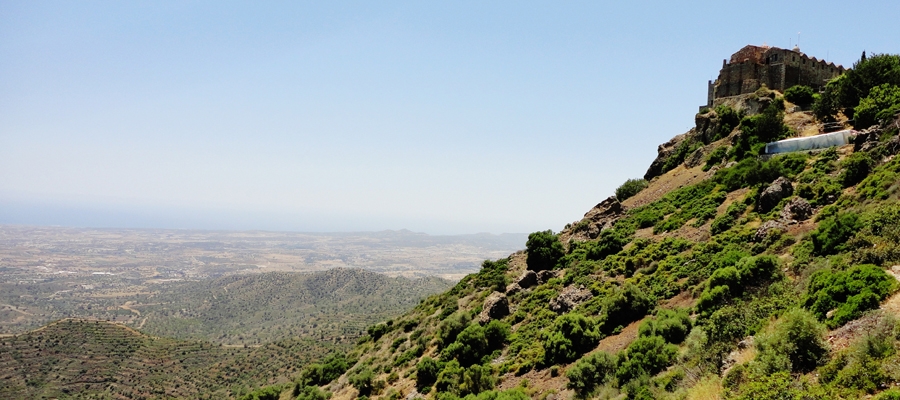
Heading further towards Larnaka (Larnaca), the Greek Orthodox monastery of Stavrovouni sits perched up high on a mountain peak, breathtakingly isolated and straight out of a classic painting. Savour the view before heading for the quaint mountainous village of Lefkara – famous for its handmade lace and filigree silver.

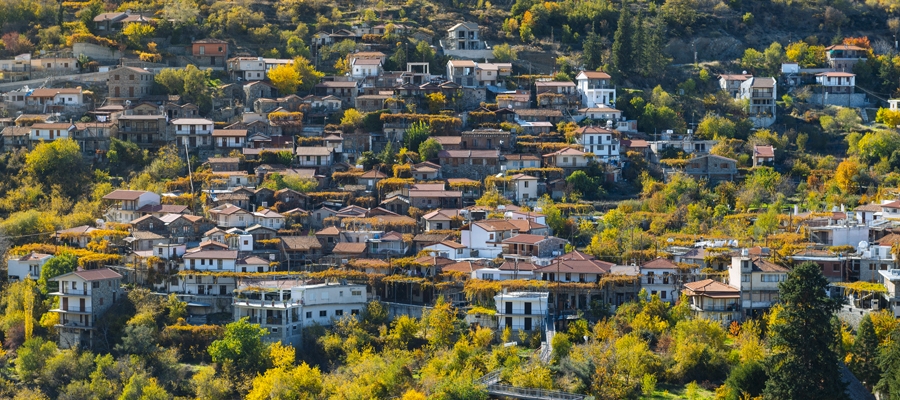
A stroll through its narrow winding lanes will take you past traditional terracotta-roofed houses, where the ladies of Lefkara sit outside, busily hand-embroidering intricate lace linens known as ‘Lefkaritika’. This skilled art has been practised exclusively in Lefkara since Venetian times (1489-1570 AD), when the village was a holiday resort for nobles, and the Venetian noblewomen taught the locals how to make the exquisite drawn-and-counted thread embroidery. The linens became an important trade for Lefkara and were world-renowned, and even the great painter Leonardo Da Vinci bought a large tablecloth for the altar of the Milan Cathedral when he visited the village.

In workshops across Lefkara, a second folk art is also still thriving – that of silverware, and the delicate craft of filigree jewellery known as ‘trifouri’. The cobweb effect of the beautiful handmade earrings, pendants and brooches is created by twisting fine silver wire into various designs. Enjoy a touch of traditional shopping for lace, silverware and other local products before stepping into the Folklore Museum for a journey back in time.

Finally, the adjacent village of Kato Drys (‘lower oak’ in Greek) is equally beguiling with its traditional architecture, beautiful views and interesting museums.