Koulouri Bread

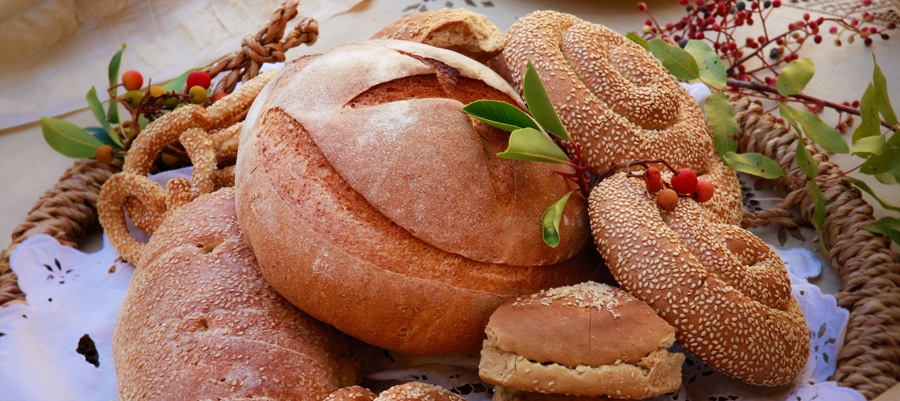
Koulouri is a very tasty bread, with an almost cake-like texture, that is covered in sesame seeds, caraway seeds and aniseed.

It is commonly baked as one large ring, or little individual rings, or in a long loaf with oblong pieces marked out to break off easily.

A specially made version called Lagana is extremely popular on the public holiday of Green Monday – which is a day where locals take to the outdoors to enjoy a Lenten picnic and begin the fasting period before Easter.
Kolokoti

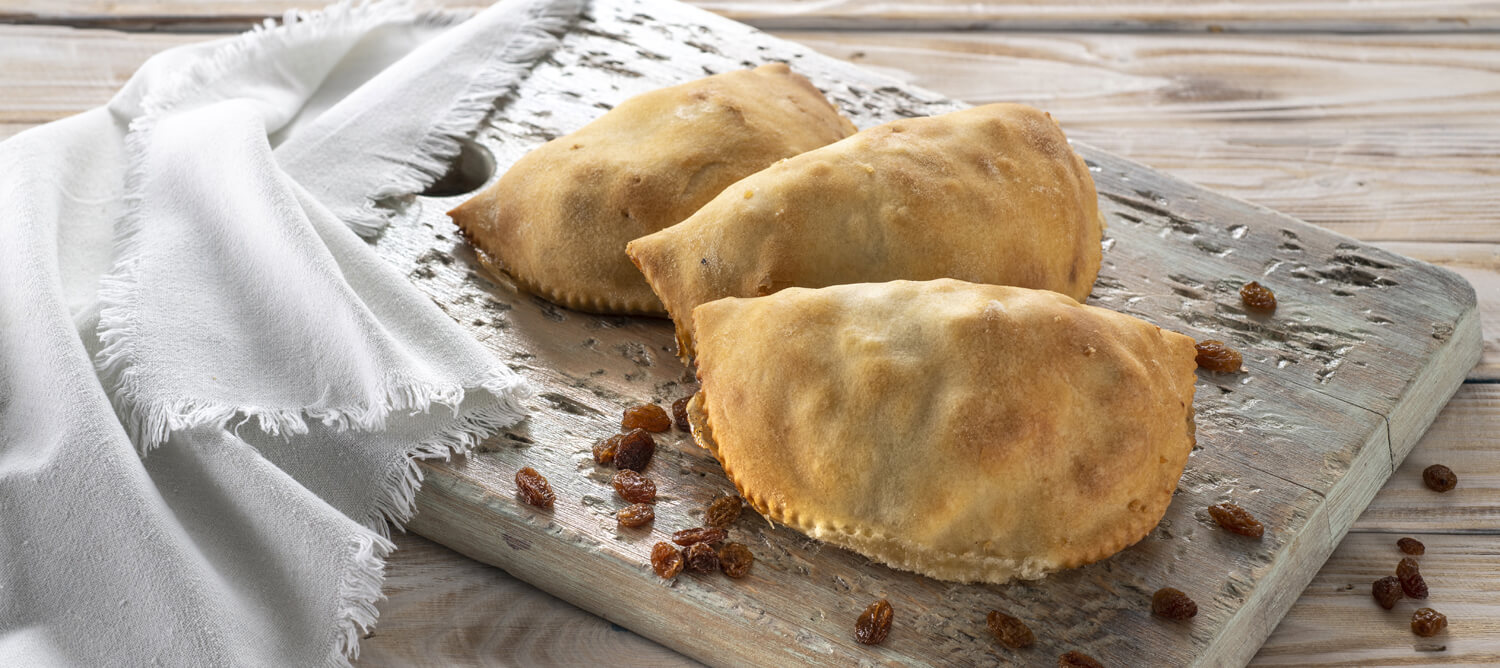
A Kolokoti is simply a delicious pumpkin pie – enjoyed as a handheld snack and widely available from the local 24-hour bakeries.

The pastry is stuffed with diced pumpkin, cracked wheat (bulgar), olive oil and raisins, seasoned with cinnamon and sometimes dill, then sealed like a calzone in a crescent shape. They are especially popular as a Lenten food.

Shamishi

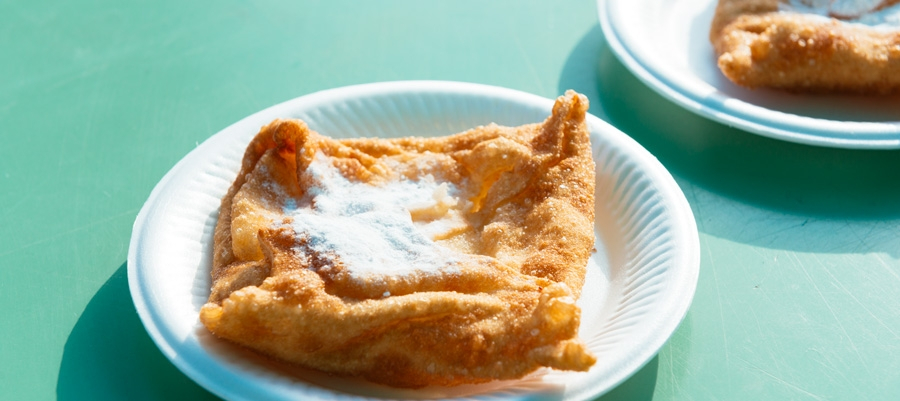
These fried semolina pastries often come hand-in-hand with Loukmades (honey donuts) as they tend to be made by the same vendors, mainly at traditional festivals and fairs.

The dough pockets are filled with a cooked sweet semolina paste, fried to perfection then dusted with icing sugar and cinnamon. As with most recipes, there are variations with some also adding mastic and orange blossom water to the semolina filling.

Soutzoukos

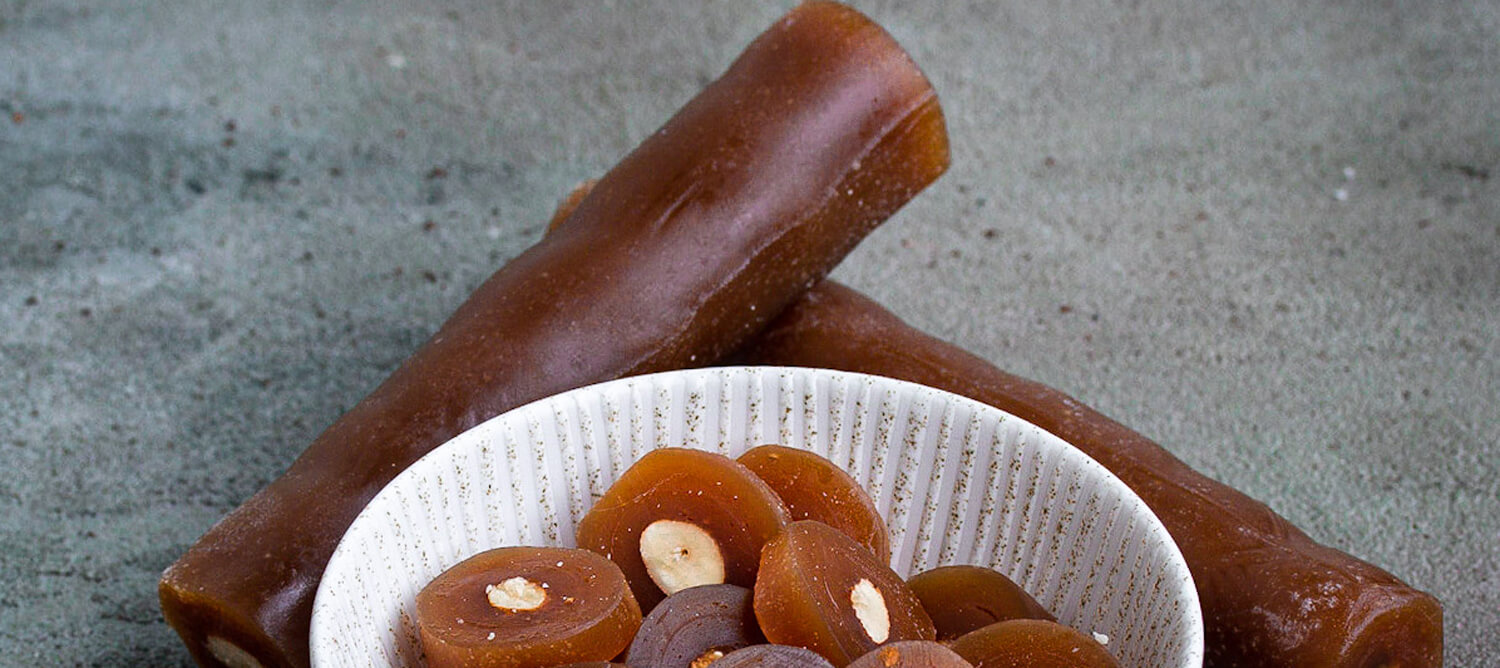
Soutzoukos is a traditional, chewy sweet made from grape juice that has a unique appearance (it looks similar to a candle!), and is popular at traditional festivals.

The sweet is made using the surplus of grapes after the grape harvest, which is why it is commonly made in the wine producing villages of the Troodos and Pafos regions.

To make Soutzoukos, the hot mixture known as ‘moustalevria’ (a combination of the Greek words ‘must’ and ‘flour’) is used. Almonds (and sometimes walnuts) are dipped into water to soften them, and then threaded onto strings of two to three metres in length. They are dipped into the hot mixture until completely covered, and then hung to dry for a few hours. This dipping process is repeated three to five times over the course of hours or days until the desired thickness is achieved (approximately one inch in diameter). It takes five to six days for the Soutzouko to dry and it can then be stored for months. When served, it is chopped into slices with a nutty centre and a chewy texture, often as an accompaniment to Zivania (a strong local spirit).

Loukoumi (Cyprus Delight)

Cyprus is famous for its delicious sweets known as ‘delights’, which have been produced on the island for centuries.

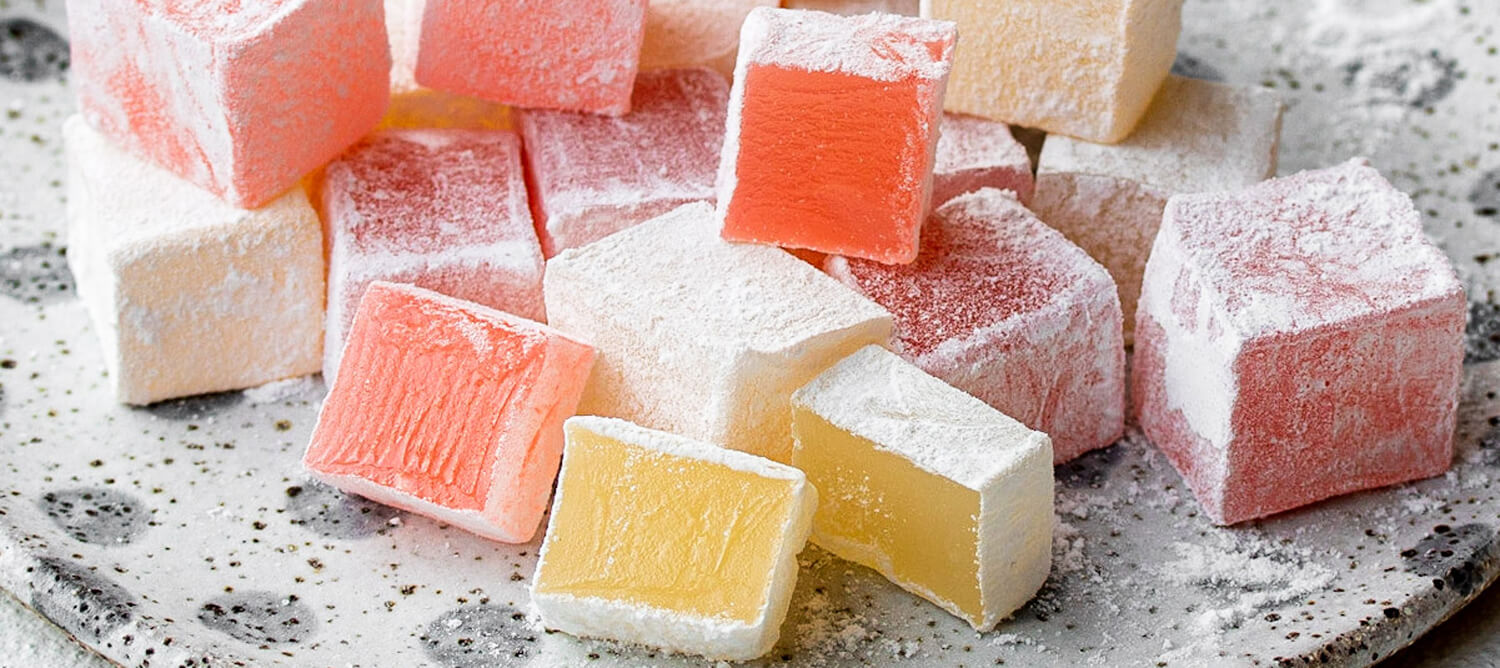
Along with a number of other villages, Geroskipou – in the Pafos district – still traditionally produces these soft, chewy sweets made, without the use of preservatives, simply with sugar, cornstarch and flavouring or nuts, then dusted with icing sugar to prevent them from sticking together.

You can find pretty boxes of delights in a number of different flavours. The most traditional is rose, followed by lemon, mastic and bergamot, although you can also find more modern flavours – including chocolate – with or without nuts.

It goes without saying that you shouldn’t leave the island without at least a couple of boxes for friends, or just all for yourself!

Loukoumades (Honey Donuts)

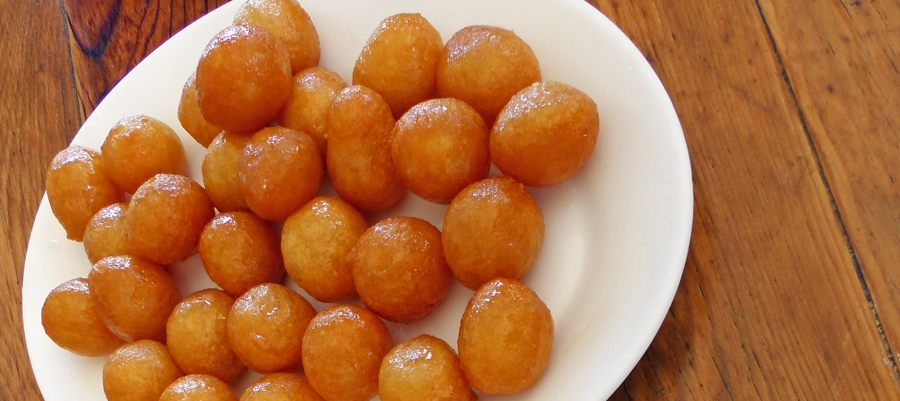
The sweet honey donuts called Loukoumades are a very popular treat, enjoyed mainly at festivals, from street vendors and at special coffee shops.

The batter is made from flour, yeast, water and the unusual ingredient of mashed potato or mashed boiled rice. They are deep-fried in very hot oil until golden.

Once the Loukoumades are removed from the oil, they are drained and immediately drenched in sweet syrup or honey and dusted with cinnamon. Best enjoyed hot!

Pastelli (Carob Toffee)

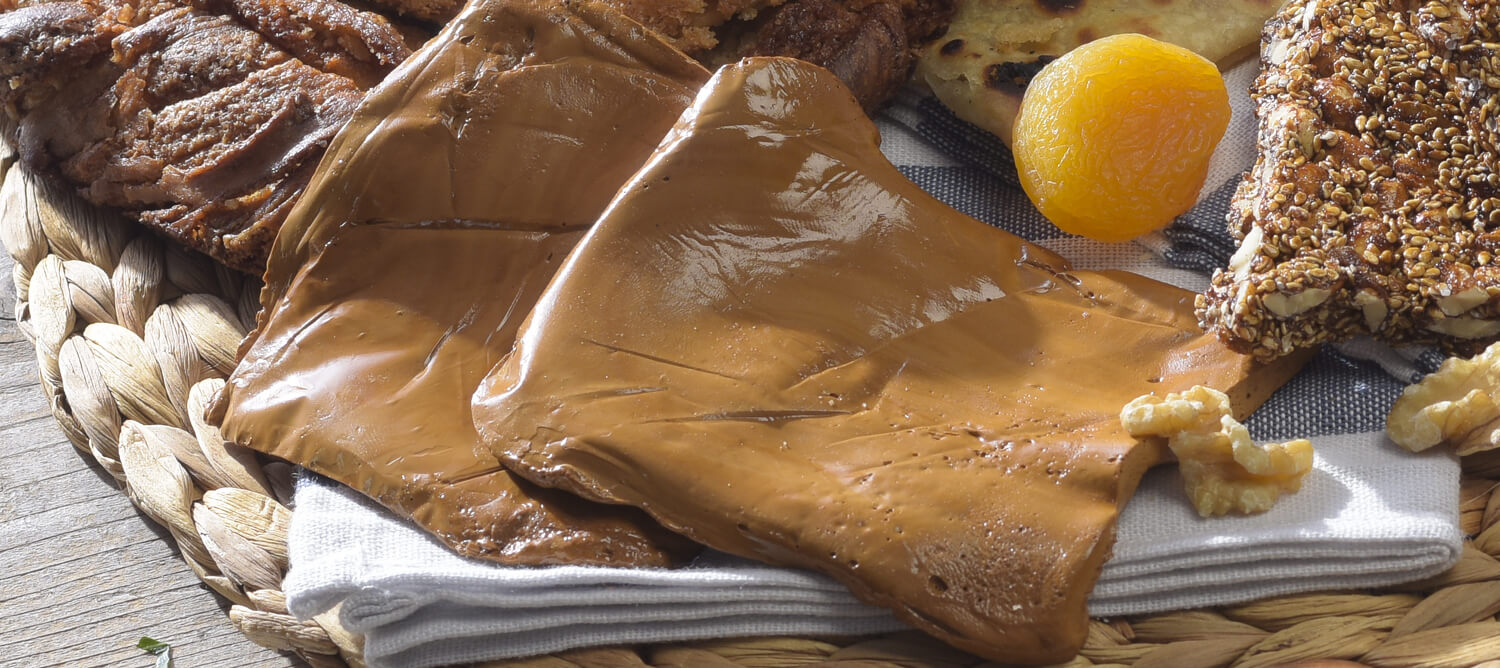
The nutritional sweet of Pastelli is made with the syrup of carob pods, produced by boiling their pulp until it forms a thick, sticky liquid similar to treacle.

Whilst carobs are in abundance on the island, Pastelli is very special as it is handmade by repeatedly and painstakingly stretching and pulling the carob toffee.

This traditional process is only practised today in the village of Anogyra, and only in the cooler months, between September and May, as the toffee doesn’t shape well in the heat. As such, it is one of the island’s sweeter delicacies.

The carob tree is an indigenous species that has been cultivated on the island for four thousand years. Once the island’s major export, carobs, or ‘black gold’, were prized for their versatility, high nutritional value and hardiness that allowed them to be stored and transported across long distances.

Pastelaki (Nut Brittle)

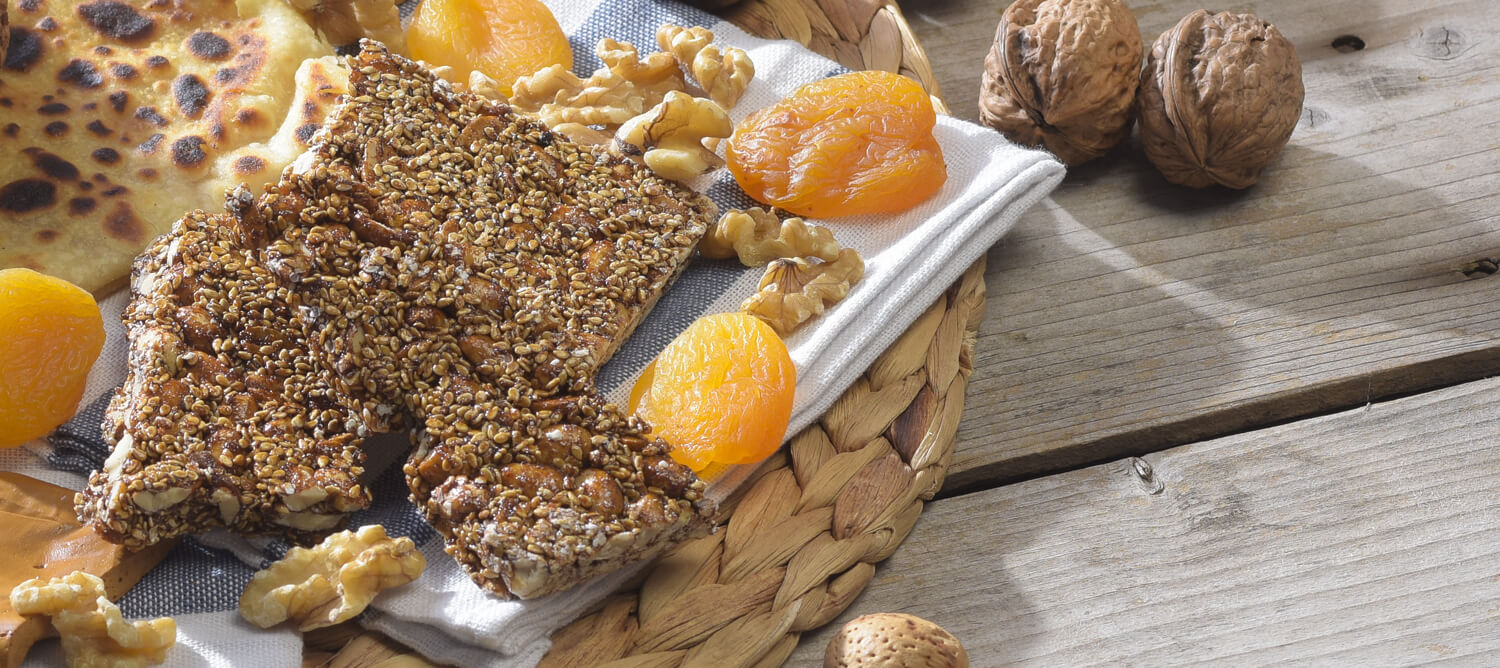
The traditional nut brittle of Pastelaki originated from Ancient Greece and makes good use of the locally grown nuts and sesame seeds, particularly almonds and peanuts.

Resembling a cereal bar, truly authentic Pastelaki binds sesame seeds with carob syrup to make a nutritious and healthy sweet treat, although more commercial versions now use honey or other sugars, and a variety of nuts.

Available in packaged bars, Pastelaki makes a sweet gift or great souvenir to take back and enjoy at home!

Palouze

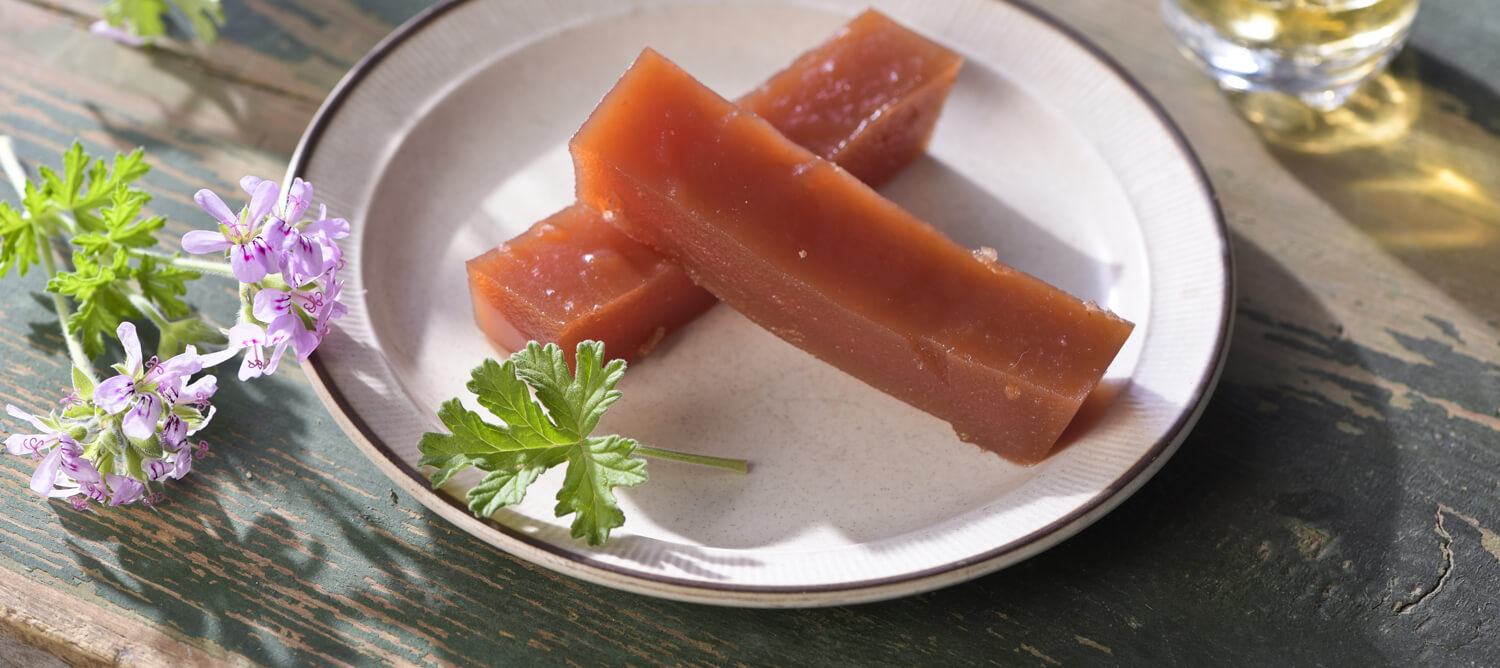
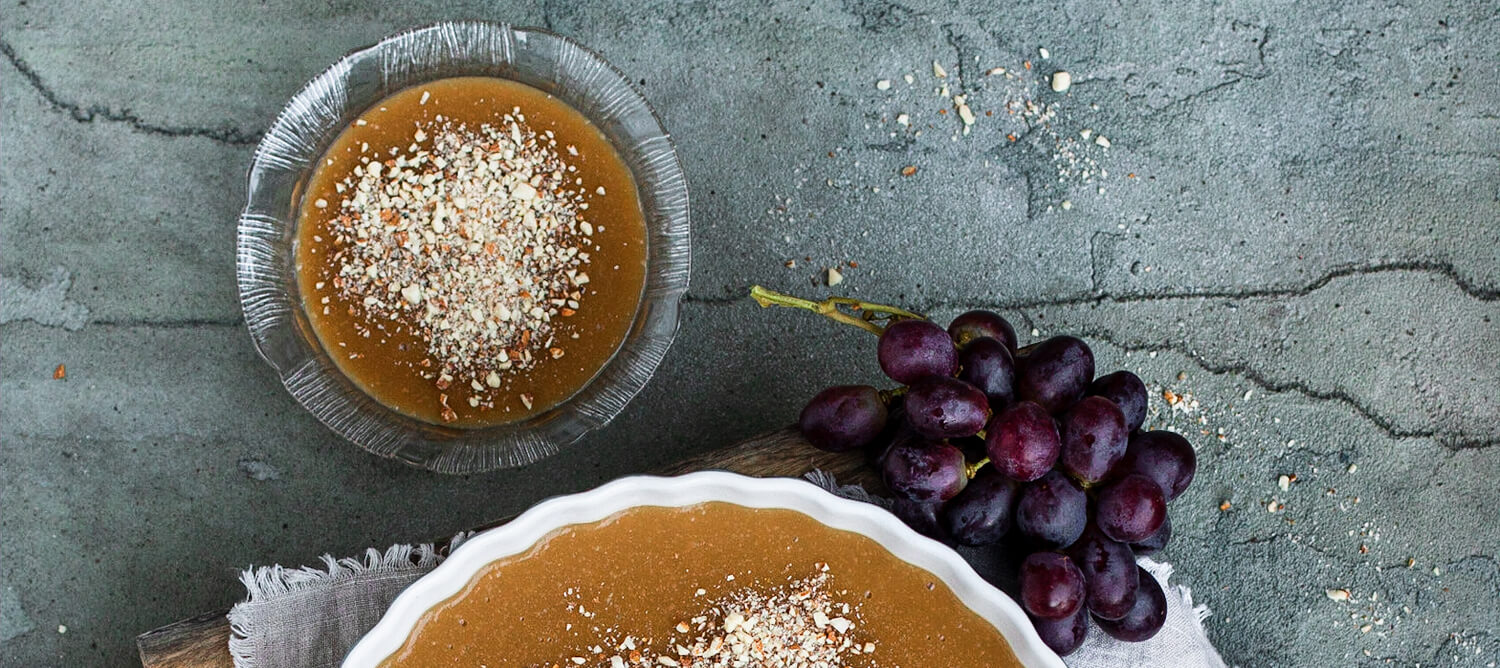
The grape jelly of Palouze is a wonderfully traditional Cypriot dessert that takes advantage of the glut of grapes grown in the winemaking villages of the island.

Akin to a blancmange, the dessert is made by collecting the grape juice (must) during the grape harvest and boiling it in a large cauldron (‘kazani’), with a small amount of white soil called ‘asproi’, which brings any impurities to the surface for removal.

Flour is added to the juice in ratios of 8:1 (juice to flour) until it is cooked to the right consistency to produce a jelly. Crushed nuts are added and it is served when set.