White Star Shipwreck

Location: Pafos (Paphos) Harbour

Type of dive site: Wreck

Depth: 14-18 metres

Visibility: 20 metres

Access: By boat

Qualification Required: Open water (OW)

Features: The ample loading bays of this site are home to groupers, breams and other marine life.

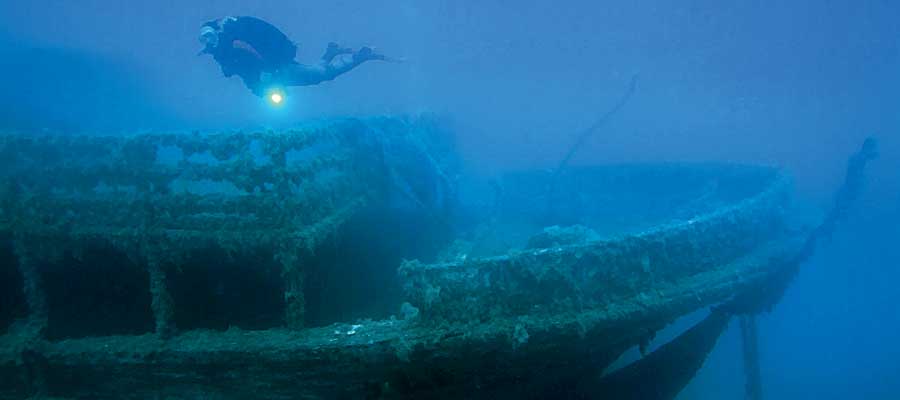
Interesting Facts: This former Russian fishing vessel (built in 1954) sank at sea, close to Pafos Harbour in 2006 as she was being towed to Lemesos to be completely scrapped.

Devils Head Diving Site

Location: Akamas Peninsula, Pafos (Paphos) region

Type of dive site: Rock

Depth: 11 metres

Visibility: 20 metres

Access: By boat

Qualification Required: Open Water (OW)

Features: A combination of caves and interconnecting tunnels with a variety of marine life make this an interesting dive. Fortunate divers may also spot Green and Loggerhead turtles during the turtle season.

Interesting Facts: Green and Loggerhead turtles nest in Akamas and are a protected species under the Council of Europe’s Convention on the Conservation of European Wildlife and Natural Habitats (Bern Convention).

Alexandra Wreck Diving Site

Location: Larnaka (Larnaca) Bay

Type of dive site: Wreck

Depth: 32 metres

Visibility: 25 metres

Access: By boat

Qualification Required: Advanced Open Water (AOW)

Features: The site features the same marine life with schools of fish including grouper, barracuda, kingfish, jacks and trigger fish, as well as moray eels, stingrays, turtles and octopus.

Interesting Facts: The Alexandra was a wooden Egyptian fishing vessel that sank in 2006 and measures 37 metres across.

MS Zenobia Shipwreck

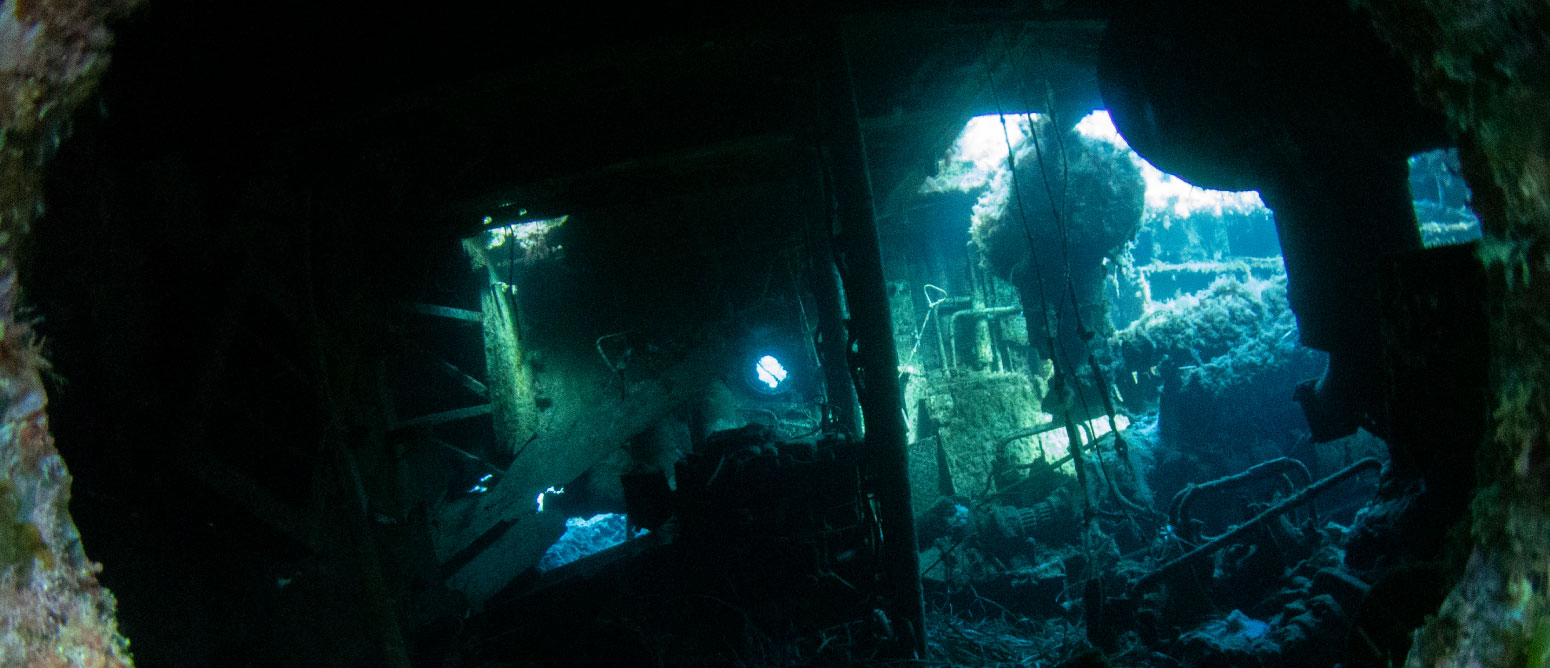
The MS Zenobia deservedly ranks among the top 10 wreck dive sites in the world and boasts the richest array of marine life on the island.

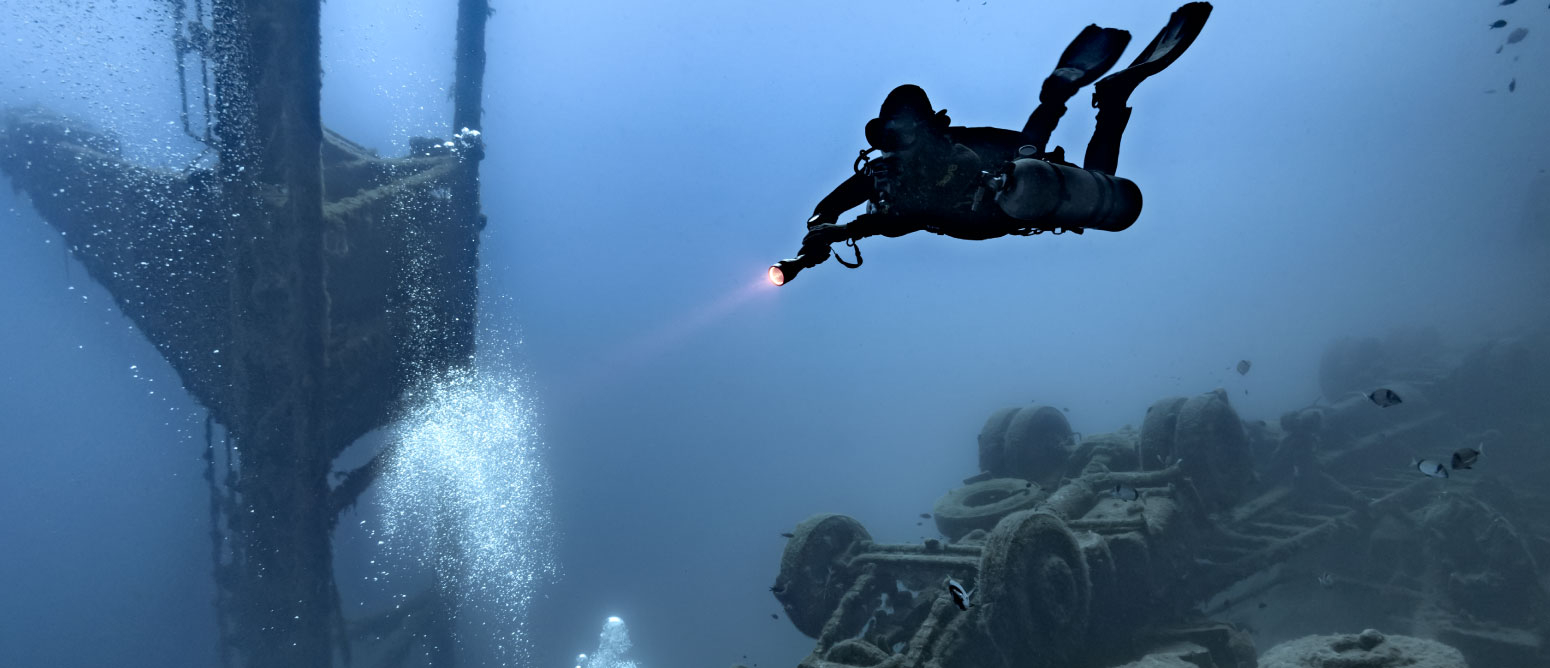
The Swedish Challenger Class roll-on-roll-off ferry was carrying 108 articulated lorries with a diverse array of cargo when she sank off the coast of Larnaka in 1980 on her maiden voyage, thus naming her ‘the Titanic of the Mediterranean’.

Due to a malfunction in her computer-assisted stabilising system, the ferry slowly inclined over the course of a few days before finally sinking on her port side where she now lies on a flat bed of sand and rocks, inviting divers to explore her rich treasures. As there is so much to discover, it is highly recommended to take two dives to fully experience all the Zenobia has to offer.

Among the highlights of this famous must-dive are: 100 trucks that float in eerie suspension within the huge cargo bay; the engine room; two enormous propellors, and of course the cargo itself, which was estimated at £200 million at the time of sinking. The immortalised freight includescars, military equipment, games, telecommunication systems and food. There are even intact hen eggs!

Among the incredible marine life is a shy, resident moray eel and visiting turtles, whilst many other marine life is in abundance, such as barracuda, breams, grouper, jacks, kingfish, lionfish, octopi, sea slugs, sponges, star fish, stingrays, trigger fishandtube worms.
Tour the dive virtually here.

Location:Larnaka Bay

GPS Coordinates:34° 53’31.80″N 33° 39’16.20″E
Type of Dive Site:Wreck(also suitable for scooter diving)
Depth:16– 42 metres
Visibility:25+metres
Dimensions:172 metres long / 28 metres wide
Access:By boat (1.5km from the shore)
Qualification Required: Advanced Open Water / Boat Diver
Dive Category:Recreational and Technical Diving


For the Zenobia Technial click here

For the Zenobia Dive Route 1 click here

For the Zenobia Dive Route 2 click here

For the Propeller Zenobia Shipwreck click here

For the Trucks in Zenobia Shipwreck click here

Lady Thetis Shipwreck

The Lady Thetis wreck is one of two wrecks that make up the Dasoudi Marine Protected Area (MPA), alongside the Costandis wreck, with both sunk in 2014 to create an artificial reef and enrich marine diversity, further assisted by a series of concrete structures sunk at the MPA in 2016.

The vessel was originally a coastal passenger vessel named Reiher (built in West Germany in 1953) and then a Cypriot passenger ship. She now lies just 200 metres from the Costandis wreck, making the site perfect for scooter diving, as well as for any level of diver and especially as an introduction to wreck diving.
Offering easy swim throughs and penetration options for the more adventurous diver, the wreck sank in a such a way that she is now ‘dug’ into the seabed, offering a deeper depth inside, close to the keel. Other points of interest include the deck with the remains of small tables that anemones now favour – a throwback to the vessel’s time as a small cruise ship, as well as the windowed dining room. Colourful sea plants now colonise the staircase.

Marine life at the reef is rich and varied, with species including bream, damselfish, lionfish, moray eels, nudibranch, parrotfish, sea slugs and tube worms, as well as amberjacks that pass through seasonally.


Location: Dasoudi, Lemesos
GPS Coordinates: 34°40’55.78″N 33° 5’1.99″E
Type of Dive Site: Wreck (also suitable for scooter diving)
Depth: 19metres
Visibility: 20+metres
Dimensions: 
Access: By boat
Qualification Required:  Advanced Open Water / Boat Diver
Dive Category: Recreational Diving
 

For the Table click here

For the Tower click here

Amathunta Diving Site

Location: Lemesos (Limassol) region

Type of dive site: Artificial reef

Depth: 18-35 metres

Visibility: 15-20 metres

Access: By boat or shore

Qualification Required: Open Water (OW)

Features: This unusual and interesting artificial reef attracts groupers, moray eels, bream and bass, as well as octopus. Lucky divers may also spot Green and Loggerhead turtles.

Interesting Facts: This was the first and largest artificial reef created on the island in 2009. The 2.5 kilometre square area of the reef was constructed with concrete blocks and has four pyramids forming a square, with approximately another 100 concrete blocks distributed around the site.

Eat, Drink and be Merry!

Enjoy an endless selection of eating, drinking and entertainment options on an isle where the varied and exciting range of experiences belies its petite size.

As a traditional Mediterranean island that is also a full member of the European Union (EU), you can select a route of customs, authenticity and local charm, or the diversity of a modern, international melting pot – both equally enticing.

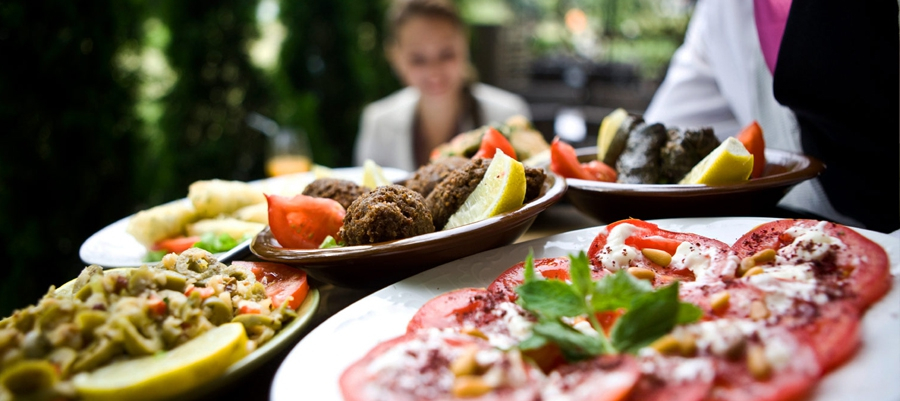
The delicious, traditional cuisine of the island is a vibrant and healthy fusion of Greek and Middle Eastern flavours, characterised by fresh, local ingredients, and best-enjoyed al fresco – under sun or stars. The welcome at traditional establishments is always warm and enveloping; whether you are trying a meze meal for the first time, taking in a show of folkloric entertainment, or joining in with the dancing and merriment at a bouzouki venue. The cultural calendar is also bursting with Cypriot celebrations and festivals all year round, from honouring religious dates and saints, to marking the glut of a harvest or taking pride in a local produce, performing art or handicraft.

The island’s more contemporary face is reflected in the myriad of restaurants that cover all the culinary corners of the globe with more exotic and ethnic dining, whilst pubs, bars and clubs play international hits and welcome Djs and musicians from all over world. From thumping beach parties and modern coffee shops, to premier ballets and operas, Cyprus embraces the culture and arts of all countries and merges them with its own unique setting of ancient amphitheatres, cobbled squares, winding streets and coastal stages.

Whether embarking on a wild night out, appreciating the finer aspects of drinking and dining, or immersing yourself as a spectator in a cultural offering, you will find that Cyprus is all at once traditional and modern, refined and bustling, and yet, unmistakably a one-of-a-kind leisure destination… Enjoy!

Zivania

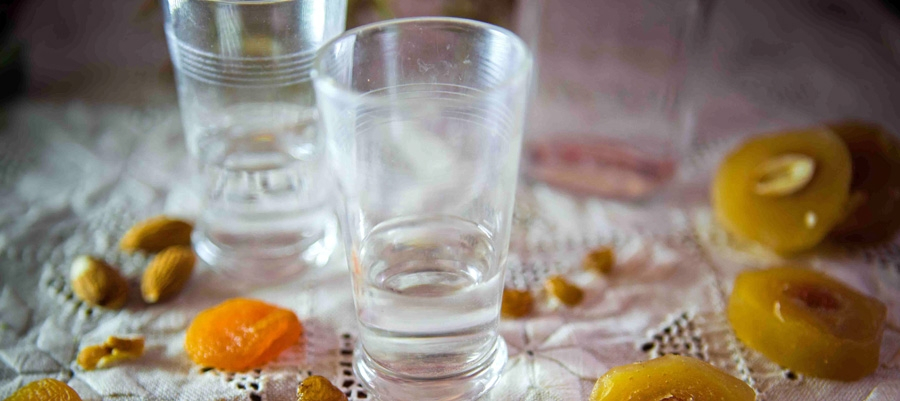
With an alcohol content of 40-99%, it is no surprise that the island’s national drink of Zivania is also referred to as ‘firewater’!

The strong drink dates back to the 14th century when the island was under Venetian rule and is still made in the same tradition today. Grape pomace (remains such as pulp, peel, stalks and seeds) is mixed with high-quality dry wines made from the indigenous grapes of Mavro (black) and Xynisteri (white), then distilled and mellowed for a long period.

Distillation takes place in a cauldron (‘kazani’) with three different processes producing different qualities and intensity of the drink. The resulting liquid is clear and highly potent and can be drunk as an aperitif – best served cold from the freezer.

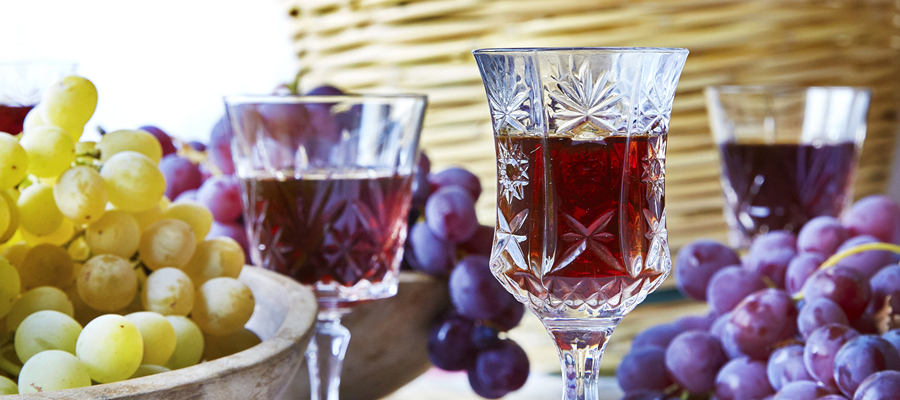
A red variety is also produced with the colour lent by the addition of cinnamon. As it ages it becomes better and more aromatic, and an old bottle is often saved for special occasions.

Before modern medicine, Zivania was an essential first-aid staple in every Cypriot home. It can be used to treat and sterilise wounds, to massage sore body parts, to numb toothache, or to warm the body from cold. It was especially important as a warming tonic for the Troodos mountain villages, where temperatures drop far lower than on the mainland.

Wines

The island has a long-standing tradition of winemaking that dates back to Ancient Greek, Roman and Egyptian times, as evidenced by archaeological finds of old wine jugs at the Lemesos (Limassol) villages of Pyrgos and Erimi that are believed to be over 6.000 years old. The grape varieties of the island are some of the oldest in the world, with the sweet dessert wine of Commandaria (Commandaria) remaining the oldest named wine still in production.

There are seven wine routes on the island and these are Akamas Laona, Vouni Panagias – Ambelitis, Pitsilia, and the Wine Villages of Lemesos (collectively known as ‘krasochoria’ meaning ‘wine villages’). They all produce both red and white wines.

The two main local grape varieties are those of Mavro (black) and Xynisteri (white). Xynisteri is the most widespread white grape variety and produces pale, light wines with a low alcohol content (11-11.5% volume). Mavro (red) is large and juicy, producing dull colour wines with a light taste. When Mavro and Xynisteri are blended together they make Commandaria, and they are also used together in the production of the national spirit, Zivania.

Other local grape varieties include the ancient Maratheftiko and Ofthalmo (red), whilst foreign grape varieties are also grown on the island, including Chardonnay, Muscat of Alexandria, Palomino, Riesling, Sauvignon Blanc and Semillon (white), and Alicante Bouschet, Cabernet Franc, Cabernet Sauvignon, Cinsaut, Grenache Noir, Mataro and Shiraz (red).

Wine connoisseurs will be pleased to know that many of the island’s wineries and wine-producing villages and monasteries are open for tours and tasting of their ‘nectar of the Gods’*, whilst the annual Lemesos Wine Festival is a ten-day celebration of wine and merriment, held at the end of August/beginning of September.

*It is advisable to check opening times with the wineries before visiting.

Commandaria

Cyprus can proudly lay claim to the world’s oldest wine still in production – that of the delicious sweet dessert wine Commandaria.

Thought to date back to 800 BC, references to the consumption of a wine named ‘Cypriot Nama’ is believed to have been Commandaria before it was given its current name during the crusades in the 12th century. It was thought that the wine had therapeutic qualities and it was widely used as a tonic.

Richard the Lionheart celebrated his capture of Cyprus and his marriage to Berengaria in Lemesos (Limassol) with Commandaria, declaring it “the wine of kings and the king of wines”. In 1192 he sold the island to the Knights of St. John and the Knight Templars, who then sold it to Guy de Lusignan, but kept their headquarters at Kolossi. Commandaria was mainly produced in Kolossi – which was called ‘La Grande Commanderie’ – and it was here that the wine found its name. Commandaria was considered so good in ancient times that it even won the first recorded wine tasting competition the ‘Battle of the Wines’ in the 13th century, held by the French king Philip Augustus.

Sweetly similar to sherry, Commandaria has been made in the same manner for centuries, and in the same 14 winegrowing villages of the island. The indigenous grape varieties of Mavro (red) and Xynisteri (white) are picked late and dried in the sun to enhance their sugar content, giving the drink its distinctive taste. The dried grapes are then pressed, with the run-off collected and fermented in tanks or huge earthenware jars – much like those used in bygone times.

No visit to the island is complete without picking up a bottle to take home, not just as a drink, but also as a sweet piece of the island’s history!